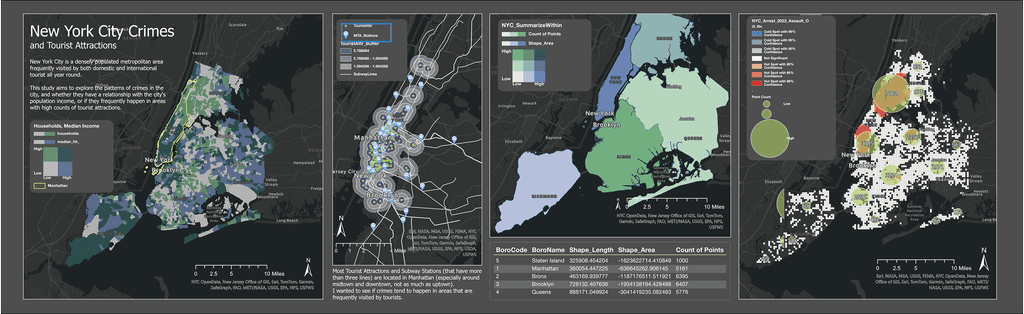
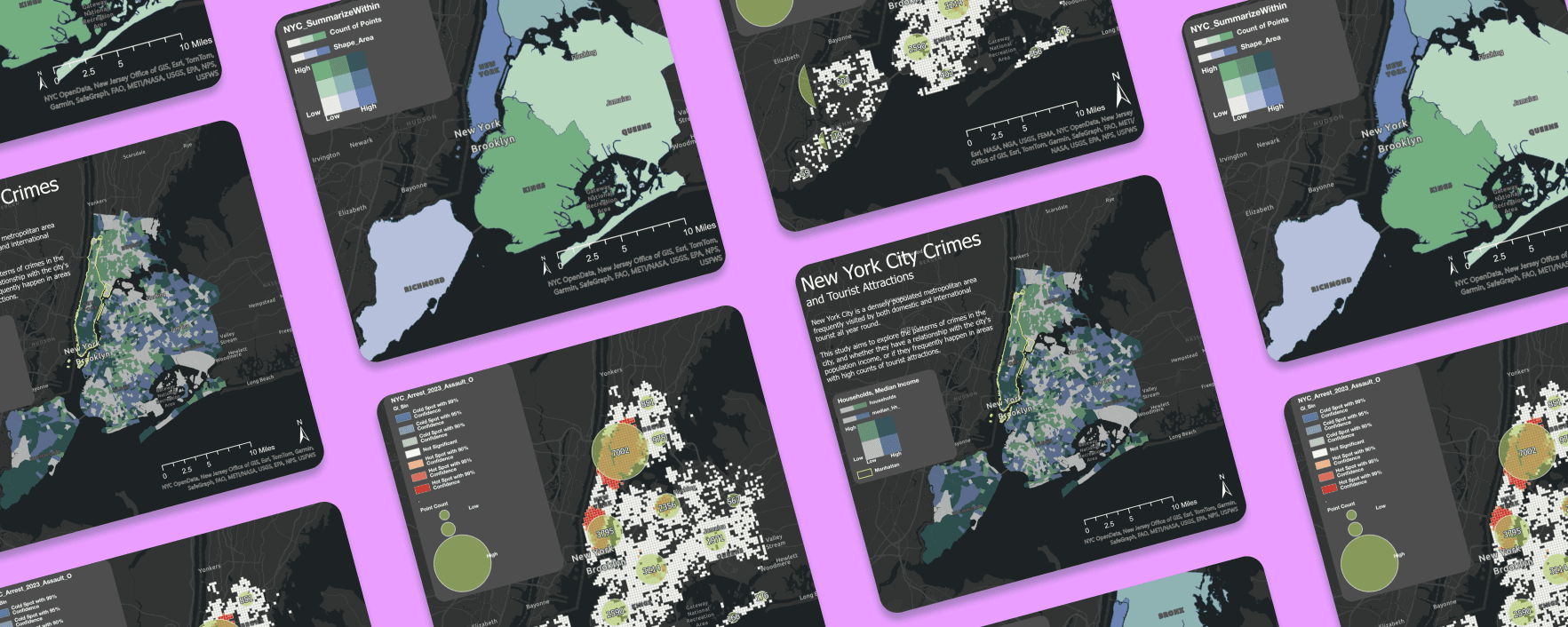
A deep dive into how crime patterns align with neighborhood income and tourist hotspots in New York City Using ArcGIS Pro.
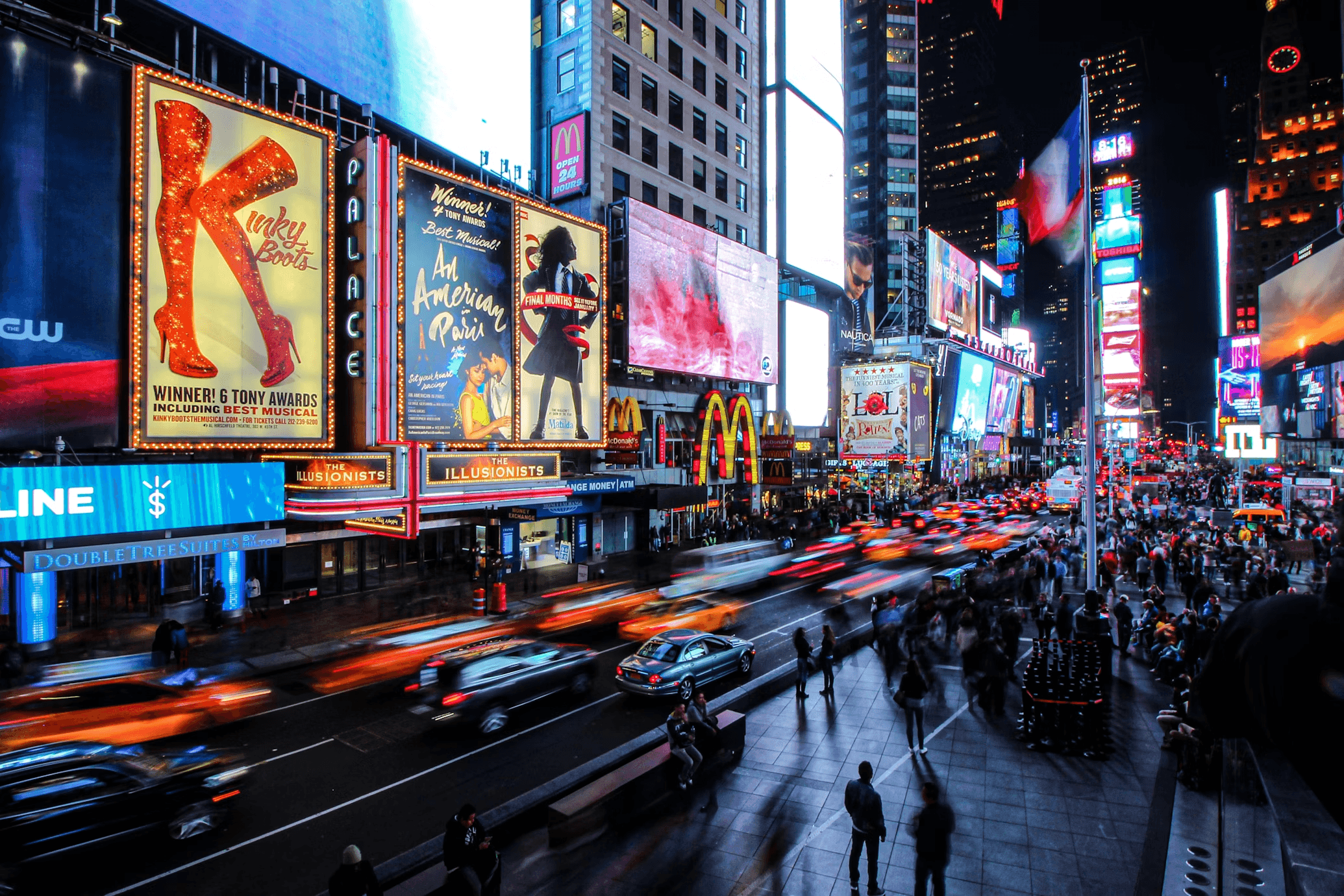
A bustling and busy city.
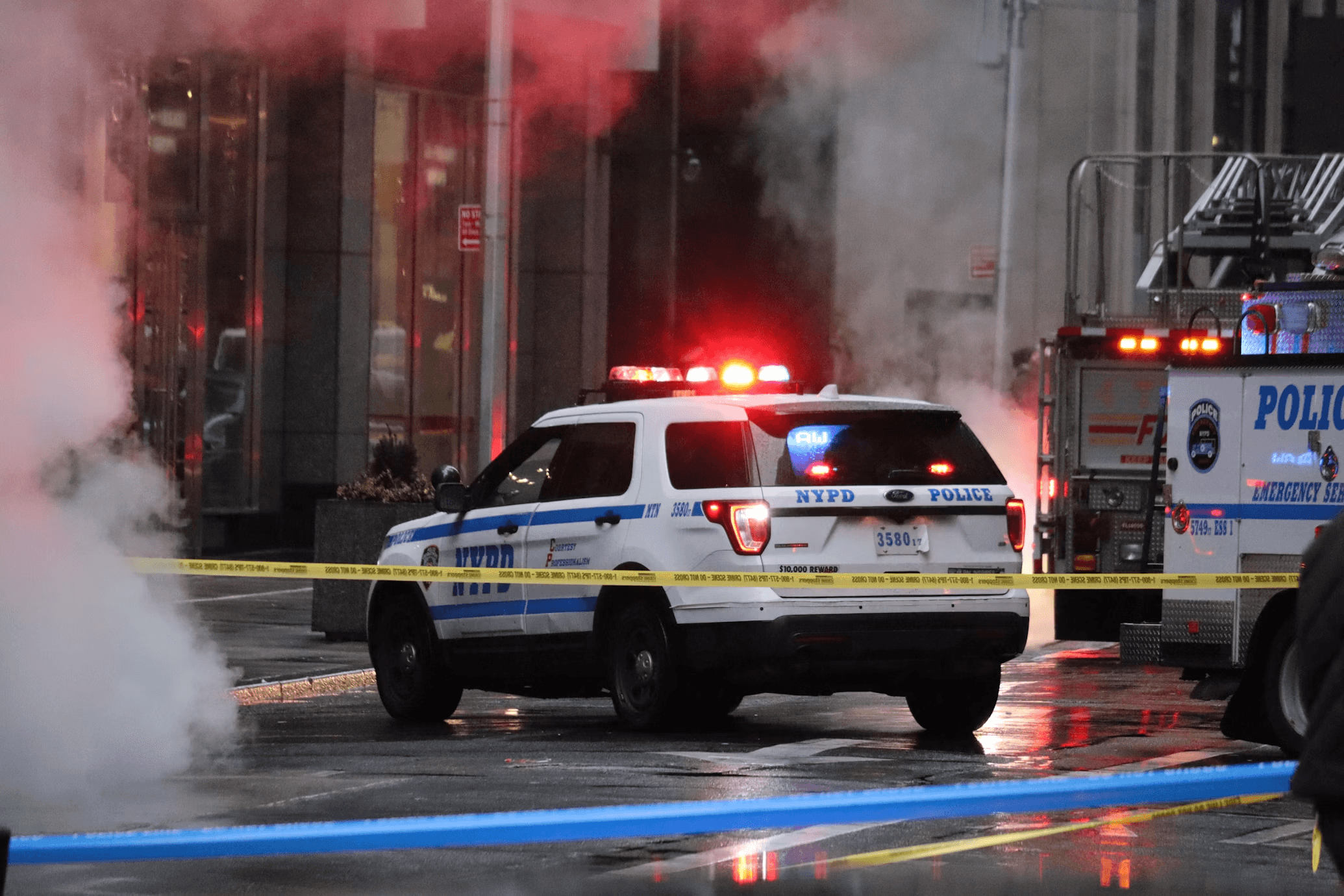
And it's crime patterns?
Location Affordability Index
Contains information on household income and affordability metrics across NYC.
NYC Tourist Attractions
A curated Google Maps collection identifying major points of interest for visitors.
NYC Subway Lines & Stations
Includes all subway lines and stations, with a focus on high-traffic stations (those serving three or more lines).
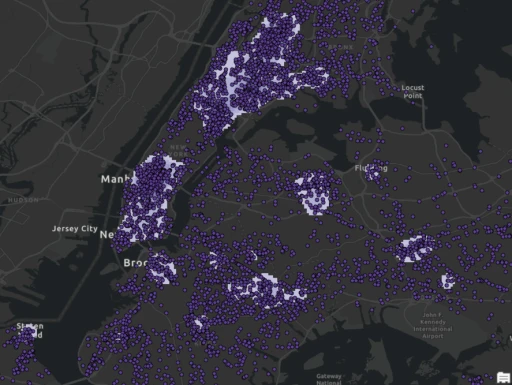
NYC Arrest Data (Year to Date)
Records of misdemeanor, violation arrests across NYC, filtered to focus specifically on Assault 3 incidents.
Given the large dataset sizes, I refined my analysis by focusing on specific crime categories. While NYC crime data includes various offenses, I concentrated on Assault 3 due to its relevance in areas with high foot traffic, where conflicts may be more likely to occur
NYC Household Income & Tourist Attractions
Contains information on household income and affordability metrics across NYC.
Crime Distribution by Borough
Analyzing the spatial distribution of assault crimes across different boroughs.
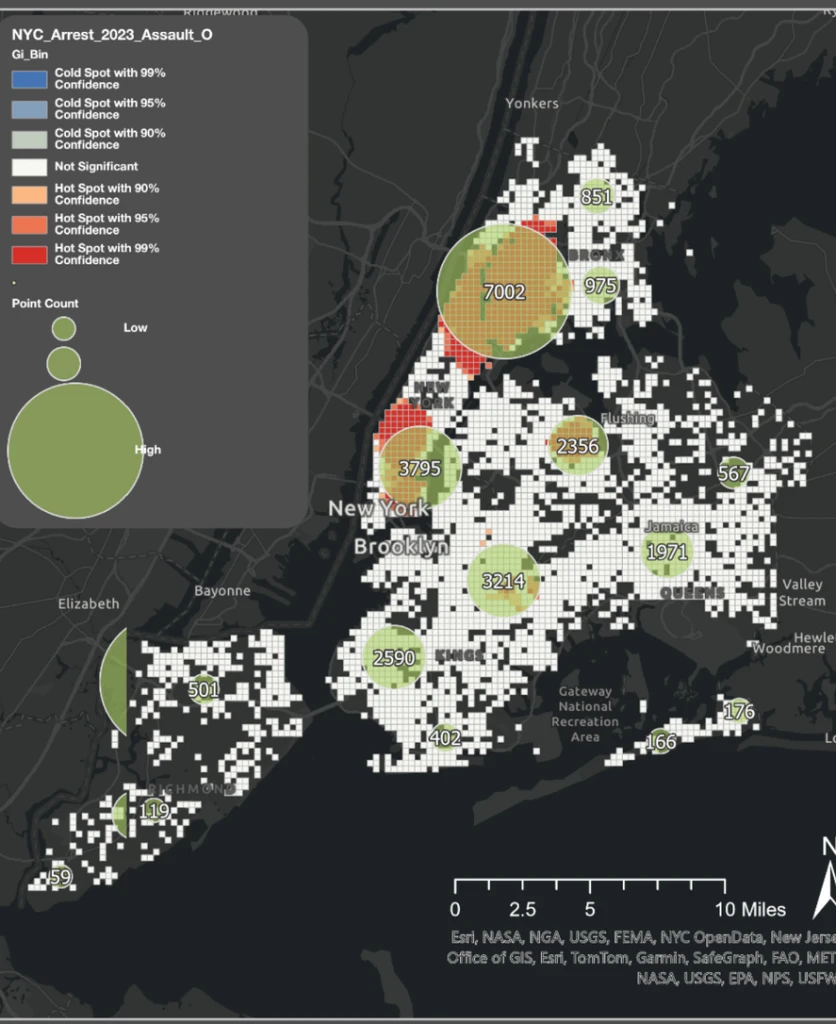
Crime Clusters & Hotspots
Analyzing the spatial distribution of assault crimes across different boroughs.
Given the large dataset sizes, I refined my analysis by focusing on specific crime categories. While NYC crime data includes various offenses, I concentrated on Assault 3 due to its relevance in areas with high foot traffic, where conflicts may be more likely to occur
Central & Lower Manhattan
High incomes and large households, especially in south of Central Park.
Areas neighboring Manhattan
Nearby Brooklyn and Queens show high incomes and large households.
Bronx and Upper Manhattan
Many households but lower incomes.
Brooklyn & Queens
No clear pattern.
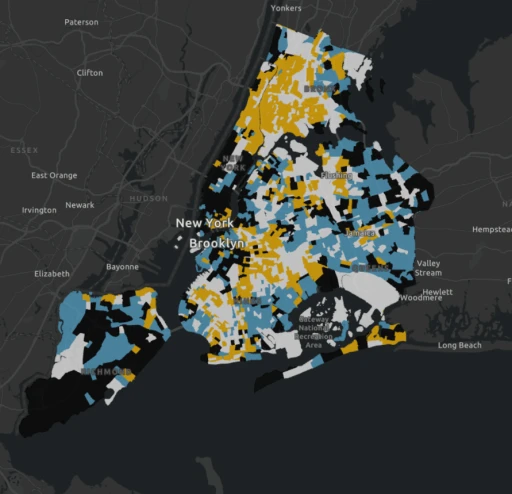
Household density & income vary sharply across New York City's five boroughs.
Buffer Zones
To analyze walkability and accessibility, bufferzones were set at a distance of 0.25, 0.5, and 0.75 miles, reflecting the typical walking range of vizitors
Removing layers
The map became overcrowded with information, so I removed layers for median household income and number of households and instead focused on subway access.
Chosen subway station
I filtered subway stations to include only those with three or more lines, which typically serve the highest volume of daily commuters.
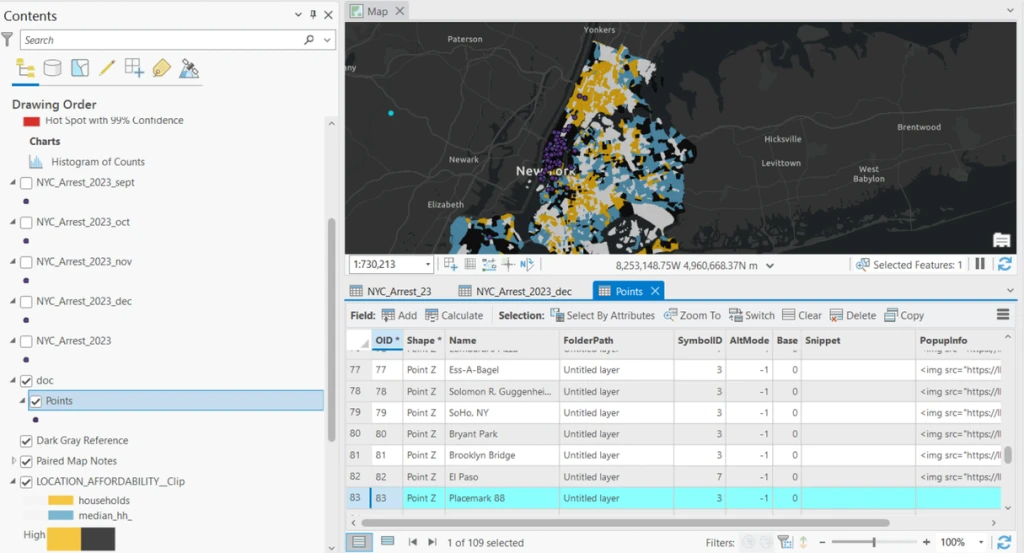
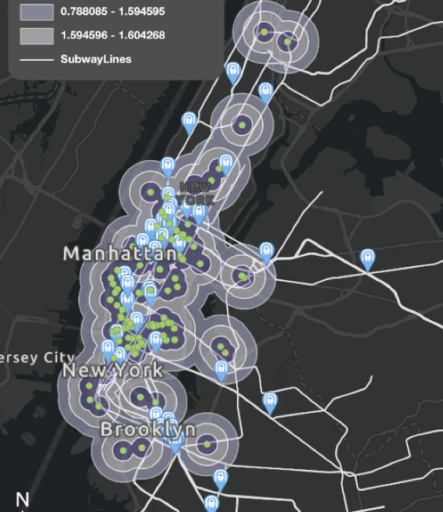
The analysis revealed that most tourist attractions are located near these major subway stations, demonstrating a strong link between popular sites and transit hubs.
Key Hotspots
Concentrated in Midtown to Lower Manhattan, Upper Manhattan, and the Bronx.
Bushwick Cluster
Additional crime hotspots appear in this area.
Traffic Overlap
Larger clusters align with high-traffic zones, linking congestion to crime.
Manhattan Findings
Foot traffic and crowding likely drive more conflict and physical crimes.
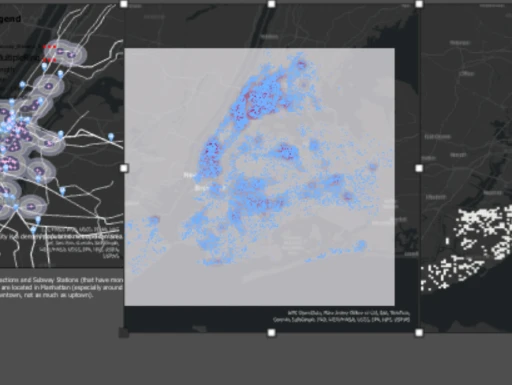
While attempting Kernel Analysis for crimes over four months (December, November, October, and September), I encountered errors or generated inaccurate raster layers that lacked meaningful patterns.
As a solution, I used the "Summary Within Analysis" in ArcGIS and created a bivariate chart comparing borough area size with crime counts.
Brooklyn
Highest number assults relative to its area size.
Manhattan
Manhattan showed a lower-than-expected crime count given its density
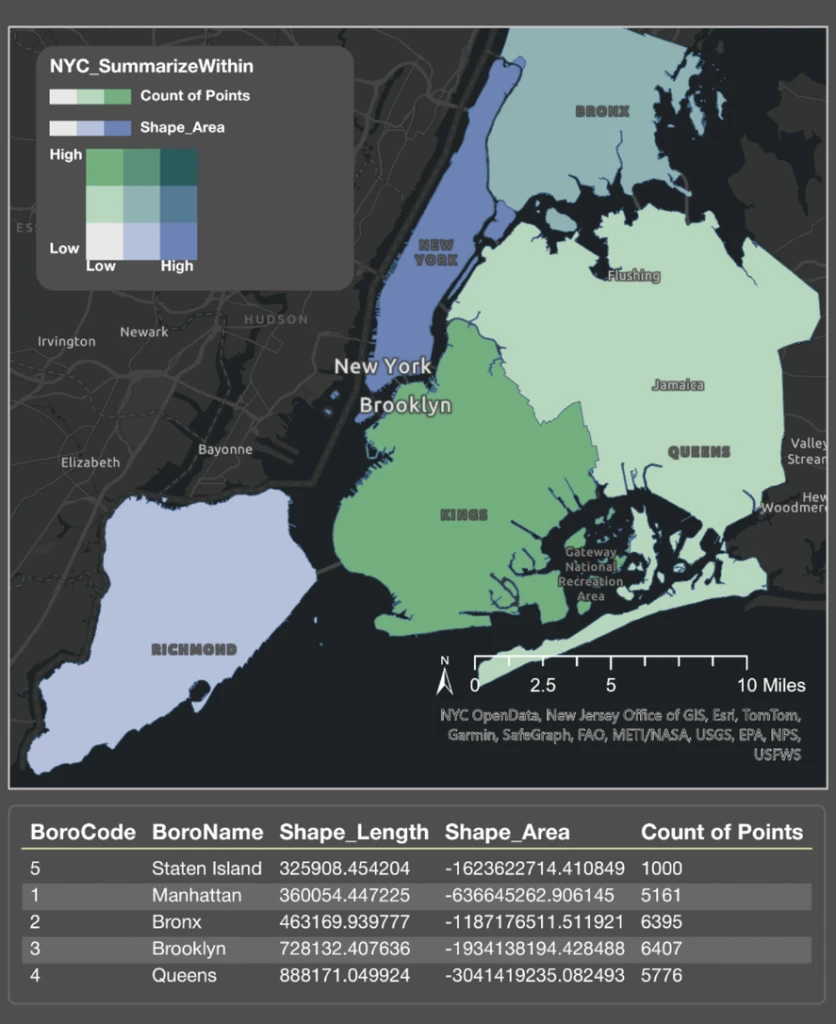
These patterns suggest that crime is not solely driven by population density, but also by localized factors such as neighborhood dynamics and land use.